Exploring the Benefits of Swiss Machining for Nickel Components
Understanding Swiss Machining Technology
Overview of Swiss Machining
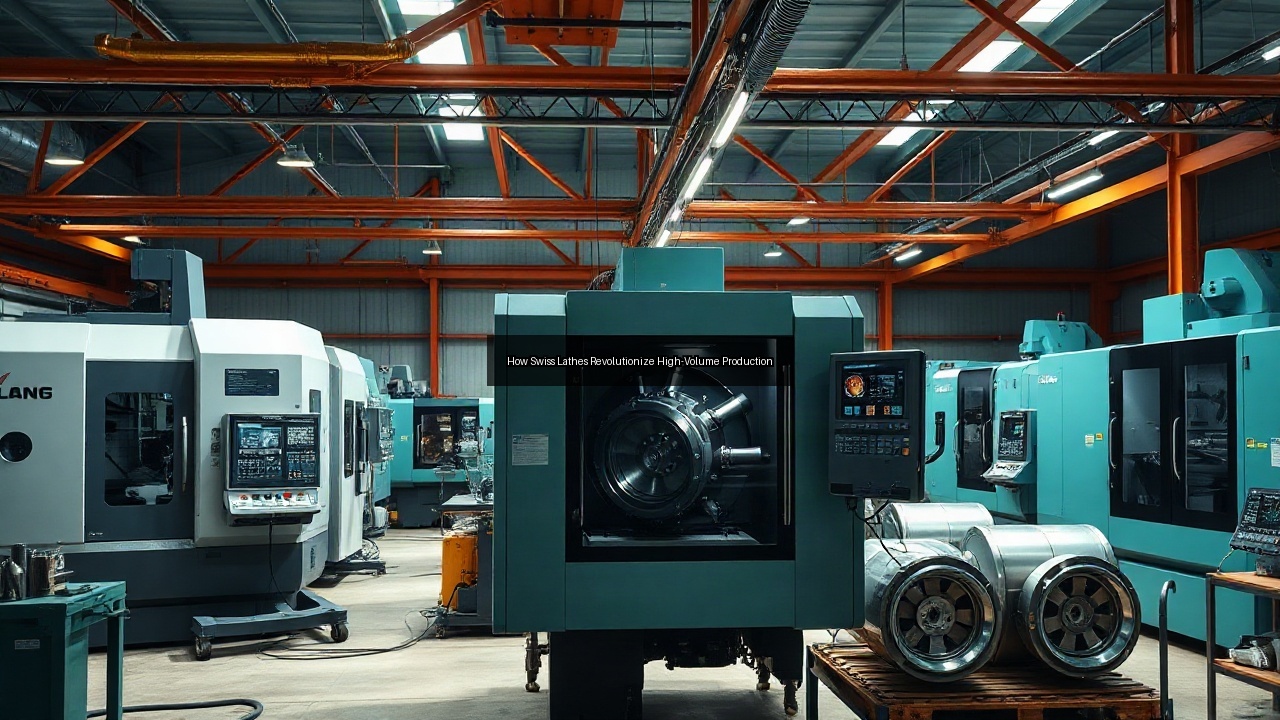
Swiss machining produces intricate nickel components with unmatched consistency through a specialized process that supports the workpiece close to the cutting tool. This approach handles nickel’s toughness effectively by minimizing deflection during operations on swiss lathe setups. Machine shops rely on swiss machining to create parts with complex geometries that demand tight tolerances, often outperforming standard methods when working with high-strength alloys. The technique originated from watchmaking but now supports modern demands in precision machining, delivering reliable results for nickel-based applications across demanding sectors.
Operators program swiss style lathes to perform multiple operations in a single cycle, which streamlines production of nickel parts that require both turning and milling. Swiss machining technology reduces vibration on slender components, allowing clean finishes on materials prone to work hardening. Shops integrate this process to achieve higher accuracy on small-diameter nickel rods, where traditional approaches often fall short. The result shows in consistent output that meets strict specifications without secondary corrections.
Key Components of Swiss Style Lathes
Swiss style lathes feature a guide bushing that stabilizes the material right at the point of contact, a critical element when machining nickel alloys that resist cutting forces. This setup, combined with multiple tool stations, enables simultaneous operations that boost efficiency in any machine shop focused on nickel components. The spindle and collet system maintains precise control over stock feed, supporting long runs of machined parts with minimal interruption.
Additional elements include live tooling attachments that add drilling and milling capabilities directly on the swiss lathe. These components work together to handle nickel’s demanding properties, such as high tensile strength, without compromising surface quality. Shops upgrade their swiss style lathes with advanced coolant systems to manage heat buildup during extended cuts on nickel stock, extending overall equipment reliability.
Comparison with Traditional CNC Machining
Swiss machining separates itself from traditional cnc machining by feeding material through a guide bushing that eliminates whip and deflection on nickel parts. Conventional cnc machines often require extra supports for long, thin workpieces, leading to slower cycles and more scrap. In contrast, swiss lathe configurations complete complex sequences faster while maintaining accuracy on nickel geometries that challenge standard setups.
Traditional cnc machines excel at larger parts but struggle with the micro-level precision swiss machining delivers on nickel alloys. Shops switching to swiss style lathes report fewer tool changes and better finishes because the process keeps the cutting zone rigid. This difference proves decisive when producing high volumes of nickel components that demand both speed and repeatability over multiple shifts.
Advantages of Swiss Machining for Nickel Components
Enhanced Precision and Accuracy
Swiss machining achieves superior precision on nickel components by keeping the workpiece supported near the tool edge, which counters the material’s tendency to deflect under load. This stability allows tolerances as tight as a few microns on intricate nickel geometries that aerospace and medical applications require. Machine shops using swiss cnc machining consistently produce parts that fit assemblies without further adjustment.
The process excels at maintaining dimensional accuracy across production runs of nickel parts because the guide bushing minimizes thermal expansion effects. Operators achieve repeatable results even when cutting difficult nickel alloys that work-harden quickly. Such accuracy reduces inspection time and ensures every machined component meets exact specifications from the first piece onward.
Improved Tooling Life and Maintenance
Nickel’s abrasive nature wears tooling faster on conventional equipment, yet swiss machining extends tool life through controlled chip loads and constant support from the guide bushing. Shops optimize feed rates on swiss lathe machines to reduce stress on inserts, lowering replacement frequency during nickel component runs. Proper coolant delivery further protects cutting edges from the heat nickel generates during machining.
Routine maintenance on swiss style lathes focuses on bushing alignment and spindle calibration, which keeps machines running longer between services. This approach cuts downtime compared with cnc machines that experience more vibration-related wear when processing nickel. Consistent tooling performance translates directly into lower operating costs for high-volume nickel work.
Reduced Waste and Material Costs
Swiss machining minimizes material waste on nickel stock by enabling near-net-shape production that leaves little excess for removal. The single-setup capability of swiss lathe equipment reduces handling errors that often scrap expensive nickel parts in multi-machine workflows. Shops track lower scrap rates because the process supports bar feeding with precise length control.
Material costs drop further when swiss machining produces complete nickel components without secondary operations that consume additional stock. Precision turning on swiss cnc machining equipment yields clean edges that require minimal deburring, preserving valuable nickel alloy throughout the run. Reduced waste supports sustainable practices while protecting margins on costly raw materials.
Increased Production Volumes
Swiss machining scales production volumes effectively for nickel components by completing multiple features in one cycle on swiss style lathes. Machine shops meet larger orders faster because the process supports unattended runs once programmed, freeing staff for other tasks. Nickel parts that once required several machines now flow through a single swiss lathe station with higher throughput.
High volumes become practical without sacrificing quality, as automation features on modern swiss machines maintain consistent output across extended shifts. This capability helps manufacturers respond to growing demand for nickel-based parts in energy and transportation sectors. Increased volumes also improve return on investment in swiss machining equipment through steady utilization.
Applications in Aerospace and Beyond
Precision Machining of Aerospace Components
Aerospace manufacturers depend on swiss machining to produce nickel turbine blades and fasteners that withstand extreme conditions. The process delivers the tight tolerances required for these safety-critical parts, where even minor deviations affect performance. Swiss lathe operations handle the complex contours and thin walls common in aerospace nickel components without distortion.
Shops apply swiss cnc machining to create fuel system elements and sensor housings from nickel alloys that resist corrosion at high altitudes. The stability of the guide bushing ensures every part matches digital models exactly, supporting rigorous certification standards. Aerospace teams value this reliability when sourcing precision machined nickel pieces for engines and airframes.
Versatility in Other Industries
Beyond aerospace, swiss machining serves medical device makers who need nickel components for implants and surgical tools requiring biocompatibility and strength. The same swiss lathe technology produces automotive sensor housings and valve parts where corrosion resistance matters. Machine shops adapt the process to electronics connectors machined from nickel alloys for conductivity and durability.
Industries such as oil and gas utilize swiss machining for downhole tools that endure harsh environments. The ability to handle varied nickel geometries on one machine reduces setup changes across these sectors. Versatility expands opportunities for shops equipped with swiss style lathes to serve multiple markets with nickel expertise.
Case Studies of Successful Implementations
One aerospace supplier adopted swiss machining to increase output of nickel fasteners by 40 percent while cutting scrap rates in half. The swiss lathe setup allowed simultaneous threading and milling that traditional cnc machines could not match on the same nickel stock. Production teams reported steadier quality across batches destined for engine assemblies.
A medical manufacturer integrated swiss cnc machining for nickel alloy surgical instruments, achieving consistent edge sharpness and dimensional control that improved instrument longevity. The machine shop documented reduced cycle times and lower tooling expenses after switching from screw machines. These results highlight how swiss machining technology solves real production challenges in nickel component fabrication.
The Role of Automation in Swiss Machining
Integration of Software Solutions
Modern swiss machining incorporates advanced software that optimizes tool paths for nickel components before any metal is cut. CAD/CAM programs simulate the entire process on swiss style lathes, identifying potential issues with chip evacuation or tool interference early. Shops load these programs directly into machine controls to ensure repeatable results across nickel production runs.
Integration with enterprise software tracks tooling wear and material usage in real time during swiss machining operations. This connectivity allows quick adjustments that maintain productivity on nickel parts without manual intervention. Software-driven setups shorten changeover times between different nickel geometries and support lights-out manufacturing strategies.
Benefits of Automation in Productivity
Automation on swiss lathe equipment increases productivity by enabling continuous operation on nickel components with minimal operator oversight. Bar feeders and part catchers keep the process running through breaks and shift changes, raising daily output volumes. Shops measure gains in parts per hour when processing nickel alloys that previously demanded constant attention on screw machines.
Automated tool changers and probing systems verify dimensions mid-cycle, preventing defects that halt production. This level of automation reduces human error and lets skilled machinists focus on programming rather than monitoring. Productivity improvements compound when multiple swiss machines run in coordinated cells for high-demand nickel parts.
Future Trends in Swiss Machining Technology
Future swiss machining developments include enhanced sensors that monitor cutting forces on nickel in real time and adjust parameters automatically. Machine builders add hybrid capabilities that combine additive features with traditional turning on swiss style lathes. These advancements promise even greater flexibility for complex nickel geometries while maintaining the core precision that defines the process.
Artificial intelligence integration will further refine tool selection and path planning for nickel components, shortening development cycles. Shops investing in next-generation swiss machining equipment position themselves to handle evolving material requirements and tighter specifications. Continued progress ensures swiss machining remains central to high-performance nickel part production across industries.