Exploring the Speed and Accuracy of Swiss Lathes in CNC Machining
Introduction to Swiss Machining Services
Overview of Swiss Machining
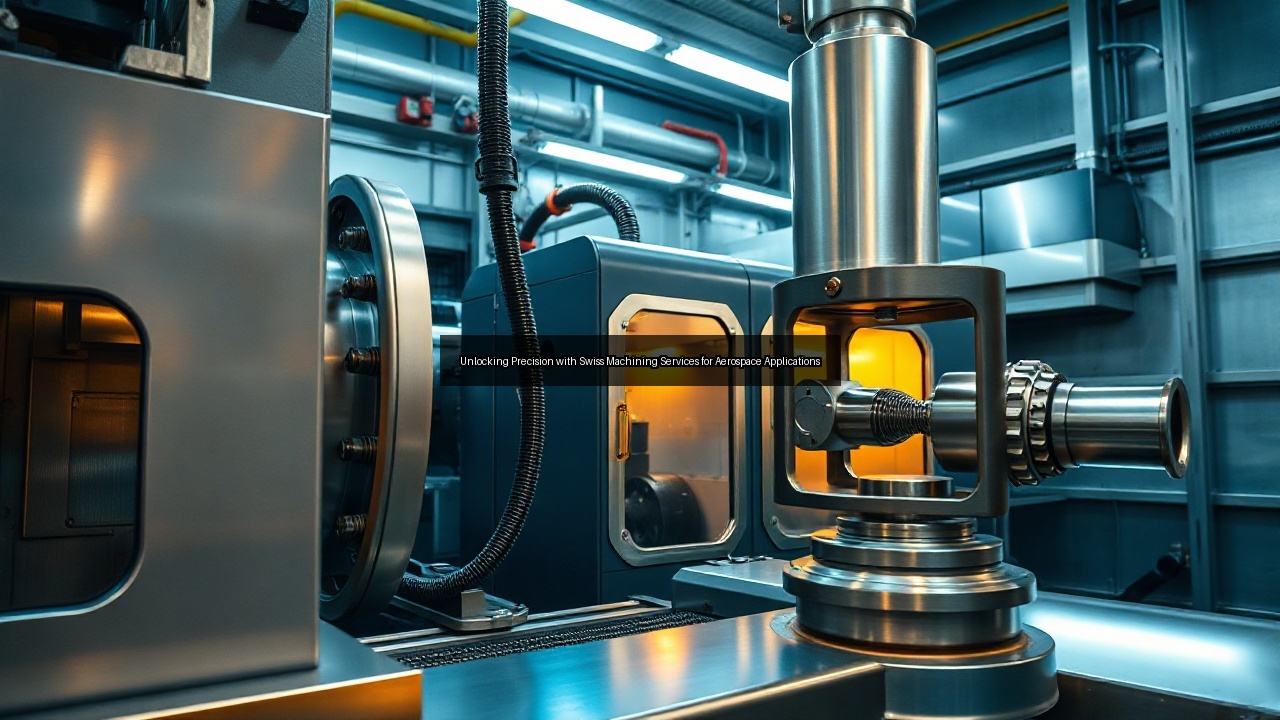
Swiss machining services deliver unmatched precision for small, intricate components through specialized swiss lathes that support the workpiece close to the cutting tool. This setup reduces deflection and enables tight tolerances during high-volume production runs. Machine shops rely on swiss screw machining to handle bars of material fed continuously into the swiss lathe, producing parts with diameters under one inch at rapid cycles. CNC integration allows operators to program complex geometries while maintaining repeatability across thousands of units. Industries value these services for their ability to combine turning, milling, and drilling in a single setup, eliminating secondary operations that slow traditional workflows.
Technicians monitor every stage with advanced inspection tools to verify dimensions before parts leave the shop floor. Swiss machining services stand out because they process exotic alloys and plastics without compromising surface finish. Shops equipped with multiple swiss lathes scale production efficiently while preserving the speed required for just-in-time delivery schedules.
Importance of Speed and Accuracy in CNC Machining
Speed and accuracy drive competitiveness in modern CNC environments where delays or dimensional errors increase costs. Swiss lathes achieve both by keeping the cutting zone rigid, allowing feeds and speeds that traditional machines cannot match without vibration. This rigidity translates into faster cycle times for screw machined parts while holding tolerances to ±0.0002 inches. Machine shops that prioritize these attributes win contracts in sectors demanding quick turnaround without quality trade-offs.
Accurate swiss screw machining reduces scrap rates and inspection time, freeing capacity for additional orders. Operators program tool paths once and replicate them across batches with minimal variation. The combination of speed and precision also supports prototyping, where design iterations must reach functional testing within days rather than weeks. Swiss machining services that excel here give manufacturers a clear edge in meeting aggressive production targets.
The Advantages of Swiss Lathes
High Precision and Speed in Machining
Swiss lathes combine high precision and speed by guiding the material bar through a bushing positioned millimeters from the tool tip. This configuration prevents whip and allows aggressive cutting parameters during swiss screw machining. Machine shops report cycle time reductions of 30 to 50 percent compared with conventional CNC lathes when producing long, slender screw machined components. The same rigidity supports fine finishing passes that achieve mirror surfaces without extra grinding steps.
Operators achieve consistent accuracy across shifts because thermal growth stays minimal in the compact work zone. Swiss machining services leverage this capability to run unattended overnight, boosting overall output. High precision also means fewer adjustments during setup, shortening lead times for both prototype and production quantities.
Comparison with Traditional Lathes
Traditional lathes hold the workpiece at one end, creating leverage that limits feed rates on delicate parts. Swiss lathes eliminate this issue by supporting material near the cut, enabling deeper cuts at higher speeds without chatter. Machine shops notice that swiss screw machining completes parts in fewer operations than multi-step traditional sequences. Accuracy improves because deflection drops dramatically, reducing the need for conservative parameters that extend cycle times.
While standard CNC machines suit larger diameters, swiss lathes dominate when tolerances tighten below 0.001 inches. Swiss machining services therefore offer a specialized advantage for miniature components that would require excessive handling on conventional equipment. Shops often run both types side by side, routing appropriate jobs to each for maximum efficiency.
Role in Aerospace and Medical Industries
Aerospace manufacturers depend on swiss lathes for fasteners, fittings, and sensor housings that must survive extreme conditions. Swiss screw machining produces these parts from titanium and high-strength alloys with the speed needed to support tight aircraft build schedules. Medical device companies similarly require iso 13485 compliant processes for implants and surgical instruments. Swiss machining services deliver the surface finishes and dimensional stability these applications demand.
Quality assurance protocols in these sectors include 100 percent inspection of critical features. The inherent accuracy of swiss lathes reduces variation, helping facilities maintain certification. Prototypes move quickly from design to validated hardware because swiss screw machining supports rapid material changes and tooling adjustments. This reliability keeps both aerospace and medical supply chains moving without costly interruptions.
Understanding Swiss Screw Machining
Functionality of Screw Machines
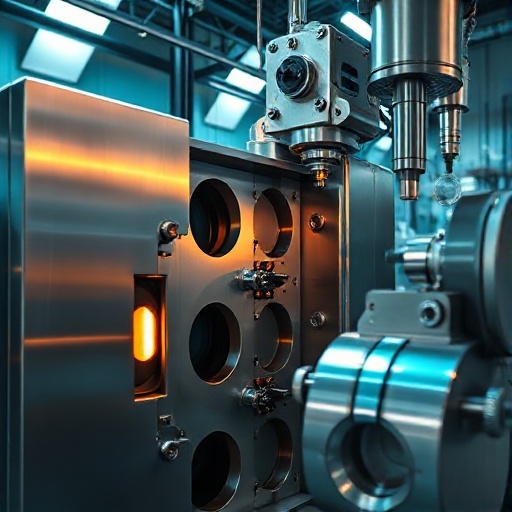
Screw machines evolved into modern swiss lathes that perform continuous bar-fed operations with multiple tools engaging simultaneously. The cam or CNC-controlled turret indexes tools in precise sequences while the headstock advances material through the guide bushing. Machine shops program these cycles to complete turning, milling, and threading in one pass, shortening overall production time. Swiss screw machining excels at high volumes because bar stock feeds automatically without manual reloading.
Operators monitor coolant flow and tool wear through integrated sensors that maintain consistent speed across long runs. The closed-loop feedback in CNC versions corrects for any drift, preserving accuracy throughout the shift. Swiss machining services that master this functionality deliver repeatable results for parts ranging from hydraulic valves to electronic connectors.
Applications of Screw Machined Parts
Screw machined parts appear in automotive fuel systems, hydraulic valves, and consumer electronics where compact size and tight fits matter. Swiss screw machining creates these components from brass, stainless steel, and aluminum at rates that support mass production. Machine shops often add secondary milling or laser marking after the primary swiss lathe cycle to meet customer specifications. The process handles both simple pins and complex profiles with cross-drilled holes.
Custom swiss machining services adapt tooling and fixturing for unique geometries that standard catalogs cannot supply. Prototypes benefit from the same equipment used in full production, eliminating process changes that introduce variables. Swiss machining services therefore provide a seamless path from initial samples to ongoing supply.
ISO 13485 Compliance and Quality Assurance
ISO 13485 certification requires documented controls over every machining variable, from incoming material inspection to final packaging. Swiss machining services that hold this standard implement rigorous process validation before production begins. Machine shops track tool life, coolant condition, and dimensional data in real time to demonstrate ongoing compliance. Swiss screw machining under these rules produces medical components with full traceability.
Quality assurance teams perform first-article inspections using coordinate measuring machines calibrated to national standards. Any deviation triggers immediate root-cause analysis and corrective action. Customers in regulated industries gain confidence knowing that swiss lathes operating under ISO 13485 deliver consistent output batch after batch. This discipline also reduces audit findings and supports long-term supplier relationships.
Innovations in Swiss CNC Machining
Integration of Wire EDM Techniques
Wire EDM integration with swiss lathes allows shops to create sharp internal corners and thin slots that single-point turning cannot achieve. After the swiss screw machining cycle, parts move to wire EDM stations for micro-features without additional handling. Machine shops report that this hybrid approach maintains the speed of the primary swiss lathe while adding precision details in one workflow. Swiss machining services gain flexibility for parts previously requiring multiple vendors.
The combination reduces lead times and lowers the risk of misalignment between operations. Operators program both machines from the same CAD model, ensuring feature locations match exactly. Quality assurance verifies the combined process through targeted inspection points at each stage.
The Impact of Laser Technology
Laser technology adds marking, cutting, and welding capabilities directly to swiss machining cells. Swiss lathes equipped with laser heads engrave part numbers or logos at the same speed as turning operations. Machine shops use lasers for micro-drilling holes smaller than mechanical tooling allows. Swiss screw machining followed by laser finishing produces complete components in minutes rather than hours.
Custom swiss machining services deploy these systems for prototypes that require quick design changes. The non-contact nature of lasers eliminates tool wear and maintains surface integrity on delicate materials. Swiss machining services that adopt laser integration meet evolving customer demands for functional features and traceability marks without extending cycle times.
Prototyping with Swiss Lathes
Prototyping with swiss lathes gives engineers functional parts machined from the same process used in production. Machine shops run short runs on swiss screw machining equipment to validate designs before committing to hard tooling. This approach reveals any manufacturability issues early, when adjustments cost little. Swiss machining services support rapid material swaps to test performance across alloys.
Accuracy remains identical to full-scale runs, so test data translates directly to later production. Shops deliver prototypes within days because setup times stay short and bar-fed operation requires minimal fixturing. Swiss machining capabilities therefore accelerate product development cycles while preserving the speed and precision that define the technology.
Selecting the Right Swiss Machining Services
Evaluating Machine Shop Capabilities
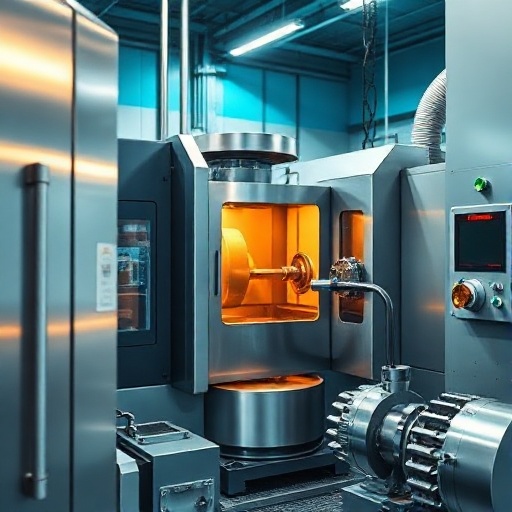
Evaluating machine shop capabilities starts with reviewing equipment lists and tolerance ranges for each swiss lathe. Shops that run modern CNC swiss screw machining centers demonstrate consistent output through sample parts and capability studies. Buyers examine inspection equipment, including vision systems and CMMs, to confirm quality assurance practices. Swiss machining services with documented training programs for operators further reduce risk of human error.
References from aerospace and medical clients provide evidence of reliability under demanding conditions. Machine shops that publish swiss machining capabilities online allow quick comparison of diameter ranges, length limits, and material expertise. Thorough evaluation ensures the selected partner can meet both current and future production requirements without process changes.
Custom Swiss Machining Services vs. Standard Services
Custom swiss machining services adapt tooling, programming, and fixturing to unique part geometries that standard catalogs cannot accommodate. Machine shops offering these services collaborate on design for manufacturability reviews before production. Swiss screw machining under custom protocols often incorporates milling attachments or laser integration to complete complex features in one cycle. Standard services suit common diameters and threads but may require secondary operations that extend lead times.
Customers needing rapid prototypes or low-volume runs benefit from custom swiss machining services that maintain the inherent speed of swiss lathes. Quality assurance remains identical, with full inspection records provided regardless of volume. Swiss machining services that offer both options give buyers flexibility to match project scope with the most efficient process.
Future Trends in Swiss Machining
Future trends point toward greater automation and data connectivity in swiss machining services. Machine shops integrate sensors that feed real-time performance metrics into cloud platforms for predictive maintenance. Swiss lathes equipped with artificial intelligence adjust feeds and speeds automatically to maintain accuracy as tools wear. Swiss screw machining will incorporate more hybrid processes that combine turning, milling, and additive elements in single setups.
ISO standards continue to evolve, pushing shops toward even stricter traceability and environmental controls. Custom swiss machining services will expand to support on-demand manufacturing models where parts ship directly from the swiss lathe cell. These developments keep swiss machining at the forefront of precision production while delivering the speed and accuracy manufacturers require.
See Also
- Revolutionizing Precision with Swiss Machining Services for Aerospace Applications
- Unlocking the Benefits of Custom Swiss Machining Services for Your Business
- How Swiss Screw Machining Enhances Quality Assurance in Modern Manufacturing
- The Future of Prototyping with Advanced Swiss Machining Techniques and Technologies