How Swiss Lathes Revolutionize High-Volume Production
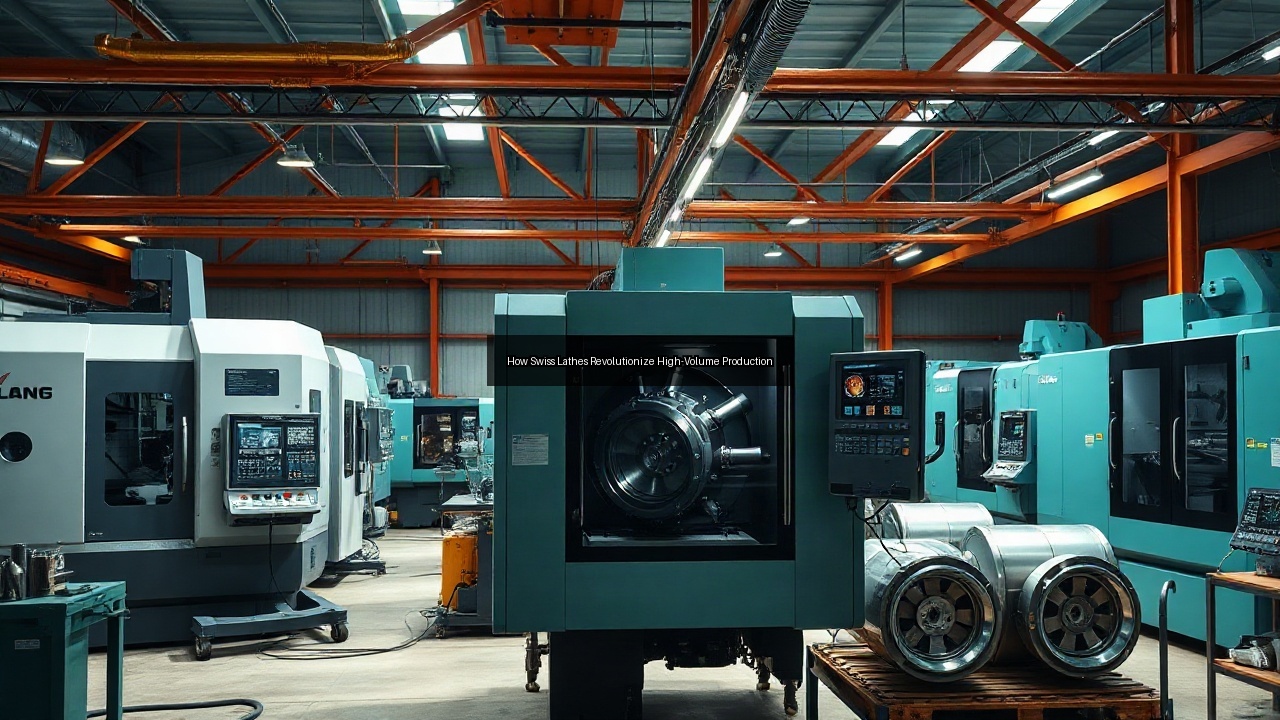
The Evolution of Swiss Machining: From Tradition to Modernity
Historical Overview of Swiss Lathes
Swiss lathes emerged in the late 19th century, primarily designed for the production of small, precise components. These machines, originally called "screw machines," revolutionized the way manufacturers approached machining. The ingenuity of Swiss-style lathes lies in their ability to produce intricate parts with exceptional accuracy, thanks to a unique sliding headstock design. This design allows the workpiece to move in synchrony with the tooling, resulting in superior surface finishes and tighter tolerances. The early adoption of these lathes laid the groundwork for what would become a cornerstone of precision machining, particularly in industries where reliability and accuracy are paramount.
Transition to CNC Swiss Machining
The evolution from traditional Swiss lathes to CNC Swiss machining represents a significant leap in manufacturing capabilities. Computer Numerical Control (CNC) technology introduced automation into the machining process, allowing for more complex operations to be executed with minimal human intervention. CNC Swiss machines can produce parts with varying geometries in high volumes, all while maintaining precision and repeatability. This transition not only increased efficiency but also opened the door for manufacturers to create intricate designs that were previously unattainable with manual lathes. The precision machining capabilities of CNC Swiss machines have made them indispensable in modern machine shops, catering to a wide range of industries.
Impact of Technological Advances on Production
Technological advancements have transformed Swiss machining processes, enhancing productivity and efficiency. Modern CNC Swiss lathes come equipped with sophisticated software solutions that facilitate real-time monitoring and optimization of machining parameters. These innovations allow for the rapid adaptation of production lines, significantly reducing downtime and waste. Additionally, the integration of advanced materials, such as nickel alloys and high-strength steels, challenges Swiss machining techniques to evolve continuously. Manufacturers leverage cutting-edge tools and technologies to push the envelope of what’s possible, ensuring that Swiss machining remains at the forefront of precision manufacturing.
Key Benefits of Swiss Lathes in High-Volume Production
Enhanced Precision and Accuracy
Swiss lathes excel in delivering exceptional precision and accuracy, crucial for high-volume production environments. The design of these machines allows for incredibly tight tolerances, often within a few microns. This level of precision is vital in sectors such as aerospace and medical device manufacturing, where even the slightest deviation can lead to catastrophic failures. Swiss machining employs advanced tooling that adapts to various geometries, enabling manufacturers to produce complex parts while maintaining high standards of quality. The combination of expert engineering and sophisticated technology ensures that each machined component meets stringent specifications, ultimately boosting customer satisfaction and trust.
Increased Productivity through Automation
Automation stands as a key advantage of Swiss lathes in high-volume production settings. CNC Swiss machines automate complex machining tasks, allowing for simultaneous operations and reducing cycle times. This capability significantly enhances productivity, enabling machine shops to process more parts in less time. Operators can program these machines to run unattended, meaning they can produce components overnight or during off-hours, further maximizing output. Additionally, the ability to switch between different machining parts quickly and efficiently helps manufacturers respond to changing demands in the marketplace. The streamlined processes offered by Swiss machining technology translate directly to improved profit margins for companies.
Versatile Tooling for Complex Geometries
Swiss lathes possess unparalleled versatility when it comes to tooling options, making them ideal for producing components with intricate geometries. The ability to utilize various tools within a single setup minimizes the need for multiple machines, thus saving time and resources. In high-volume production, this flexibility allows manufacturers to adapt quickly to specific customer requirements, whether for aerospace components or specialized medical devices. Furthermore, the advanced tooling options facilitate the production of parts with multiple features, such as threads and grooves, in one cycle. This capability not only reduces lead times but also enhances the overall efficiency of the machining process.
Applications of Swiss Machining Across Industries
Aerospace: Meeting High Standards
The aerospace industry demands the highest standards of precision and reliability. Swiss machining provides solutions that meet these rigorous requirements. Components such as turbine blades, housing assemblies, and fasteners must endure extreme conditions, making the precision of Swiss lathes indispensable. Manufacturers rely on CNC Swiss machining for the production of lightweight yet strong parts, often utilizing advanced materials that can withstand high temperatures and stress. The ability to achieve tight tolerances ensures that each component fits seamlessly into complex assemblies, contributing to the overall safety and performance of aircraft.
Medical Devices: Precision in Every Component
In the medical device sector, precision is non-negotiable. Swiss machining enables the production of intricate parts for devices such as surgical instruments, implants, and diagnostic equipment. The high level of accuracy offered by Swiss lathes ensures that components not only fit perfectly but also function reliably. Manufacturers must comply with stringent regulations, and Swiss machining provides the quality assurance needed to meet these standards. The use of advanced CNC machines allows for the consistent production of high-quality medical components, which enhances patient safety and improves healthcare outcomes.
Automotive: High-Volume Machined Parts
The automotive industry leverages Swiss machining to produce high-volume machined parts essential for vehicle assembly. Components such as fuel injectors, valve bodies, and transmission parts require both precision and durability. The efficiency of CNC Swiss lathes allows manufacturers to produce these parts in large quantities without sacrificing quality. Additionally, the versatility of Swiss machining enables automotive manufacturers to innovate continuously, developing new components that improve performance and fuel efficiency. As the industry shifts towards electric and hybrid vehicles, the adaptability of Swiss lathes to new designs and materials becomes increasingly valuable.
The Future of Swiss Machining Technology
Integration of Advanced Software Solutions
The future of Swiss machining technology heavily relies on the integration of advanced software solutions. Manufacturers are increasingly adopting Industry 4.0 principles, where machines communicate with one another and with central management systems. This integration allows for real-time data analysis, predictive maintenance, and streamlined workflows. Software solutions can optimize machining parameters dynamically, leading to reduced cycle times and enhanced efficiency. By leveraging data analytics, machine shops can identify bottlenecks and continuously improve their processes, ensuring they remain competitive in an ever-evolving market.
Trends in Automation and Smart Manufacturing
The trend towards automation continues to shape the landscape of Swiss machining. Smart manufacturing technologies, including robotics and IoT (Internet of Things), enhance operational efficiency and reduce human error. Automated systems streamline production, allowing for greater flexibility and faster response times. As machine shops embrace these innovations, they can achieve higher throughput while maintaining superior quality. The synergy between automation and Swiss machining presents exciting opportunities for manufacturers, enabling them to meet the demands of high-volume production with unparalleled precision.
Sustainability in Swiss Machining Processes
Sustainability has become a pivotal consideration in modern manufacturing practices. Swiss machining processes are evolving to incorporate eco-friendly practices, reducing waste and energy consumption. Manufacturers are exploring sustainable materials and recycling strategies, aiming to minimize their environmental footprint. Additionally, advancements in machining technology enhance efficiency, leading to less material waste and energy usage. Emphasizing sustainability not only meets regulatory standards but also aligns with consumer preferences for environmentally responsible products. As Swiss machining continues to advance, its focus on sustainability will play a crucial role in shaping the industry’s future.