The Secrets Behind Efficient Compression Molding Processes
Understanding Compression Molding Processes
What is Compression Molding?
Compression molding is a manufacturing process used to shape materials, primarily thermosetting plastics, into specific forms. This technique involves placing a pre-measured amount of material, often referred to as a charge, into an open mold. Once the mold is closed, heat and pressure facilitate the curing of the material, causing it to take on the shape of the mold cavity. The simplicity and effectiveness of compression molding make it a popular choice for producing high-quality, durable components across various industries. This process is particularly advantageous for large parts that require uniform thickness and excellent surface finish.
Key Components of the Compression Molding Process
The compression molding process relies on several critical components to ensure efficiency and quality. First, the mold itself plays a pivotal role. Made from durable materials such as steel or aluminum, molds are designed to withstand high pressure and temperature during production. Second, the heating system, which can utilize electric or steam heat, ensures the material reaches the appropriate viscosity for molding. Finally, the press, which applies the necessary pressure to the mold, is integral to achieving the desired shape and density of the final product. Each component must function seamlessly to optimize the compression molding process.
Difference Between Compression Molding and Injection Molding
While both compression molding and injection molding serve similar purposes in shaping materials, they differ significantly in their processes. Compression molding involves placing the material into an open mold, then applying heat and pressure to shape it. In contrast, injection molding injects molten material into a closed mold under high pressure. This fundamental difference leads to variations in cycle time, material waste, and product complexity. Compression molding often suits larger parts with simpler geometries, while injection molding excels in producing intricate designs with tighter tolerances. Understanding these distinctions helps manufacturers select the appropriate method for their specific needs.
Optimizing Compression Molding for Efficiency
Design Considerations for Molds
Design plays a crucial role in the efficiency of the compression molding process. Proper mold design ensures uniform material distribution and reduces the likelihood of defects. Designers must consider factors such as wall thickness, draft angles, and the placement of vents. A well-designed mold minimizes the risk of air pockets, which can lead to weak points in the final product. Additionally, incorporating features like cooling channels can significantly reduce cycle time, enhancing overall productivity. By focusing on these design considerations, manufacturers can streamline their compression molding services for maximum efficiency.
The Role of Pressure in Compression Molding
Pressure is a fundamental aspect of the compression molding process. It helps to ensure the material fills the mold cavity completely and adheres to the mold surfaces. The appropriate pressure level varies depending on the material used and the complexity of the part being produced. Insufficient pressure can lead to incomplete filling, while excessive pressure may cause deformation or damage to the mold. Manufacturers must carefully monitor and adjust pressure settings to optimize their compression molding processes. This attention to detail ensures high-quality, reliable products that meet industry specifications.
Common Specifications for Compression Molded Products
Compression molded products adhere to a range of specifications that ensure their performance and compatibility with various applications. Common specifications include dimensional tolerances, material properties, and surface finish requirements. Manufacturers often rely on industry standards such as ASTM and ISO to guide these specifications. Ensuring compliance with these standards not only enhances product quality but also facilitates acceptance in various markets. Understanding and implementing these critical specifications is vital for manufacturers aiming to deliver superior compression molded products that meet customer expectations.
Applications and Advantages of Compression Molding
Industries Utilizing Compression Molding Services
Compression molding services find applications across numerous industries due to their versatility and cost-effectiveness. Automotive manufacturers utilize this process to create components such as dashboard panels, interior trim, and insulating materials. The electrical industry benefits from compression molding in producing switchgear and connectors. Additionally, consumer goods manufacturers rely on compression molded parts for products like kitchenware and toys. The ability to produce large quantities of uniform parts with minimal waste makes compression molding an attractive option for these diverse applications. Understanding the specific needs of each industry enables manufacturers to tailor their services effectively.
Benefits of Compression Molding over Other Techniques
Compression molding offers several advantages compared to other manufacturing techniques like injection molding and blow molding. First, the process is cost-effective, particularly for large parts with simple geometries. It requires lower initial tooling costs, making it accessible for small to medium-sized enterprises. Second, compression molding produces less material waste, as excess material can often be reused, contributing to sustainability goals. Finally, the process accommodates a wide variety of materials, including thermosetting plastics and natural fibers. These benefits position compression molding as a preferred choice for many manufacturers seeking reliable and economical production methods.
Case Studies: Successful Compression Molding Applications
Examining successful case studies highlights the effectiveness of compression molding in real-world applications. For instance, a leading automotive manufacturer utilized compression molding to produce lightweight, high-strength panels for electric vehicles, enhancing efficiency and performance. Another example involves a consumer goods company that implemented compression molding to create ergonomic kitchen utensils, resulting in reduced production costs and improved product durability. These case studies demonstrate how companies can leverage compression molding services to achieve specific business goals, from increasing production efficiency to enhancing product design.
Choosing the Right Compression Molding Company
Criteria for Selecting Compression Molding Suppliers
Selecting the right compression molding company is crucial for achieving high-quality results. Key criteria include the supplier's experience in the industry, their expertise in materials, and their ability to meet specific project requirements. A reputable supplier should provide references and case studies that showcase their capability to handle projects similar to yours. Additionally, consider their production capacity, lead times, and customer support services. By thoroughly evaluating potential suppliers, manufacturers can ensure they partner with a reliable compression molding service that aligns with their production goals.
Evaluating Compression Molding Machines
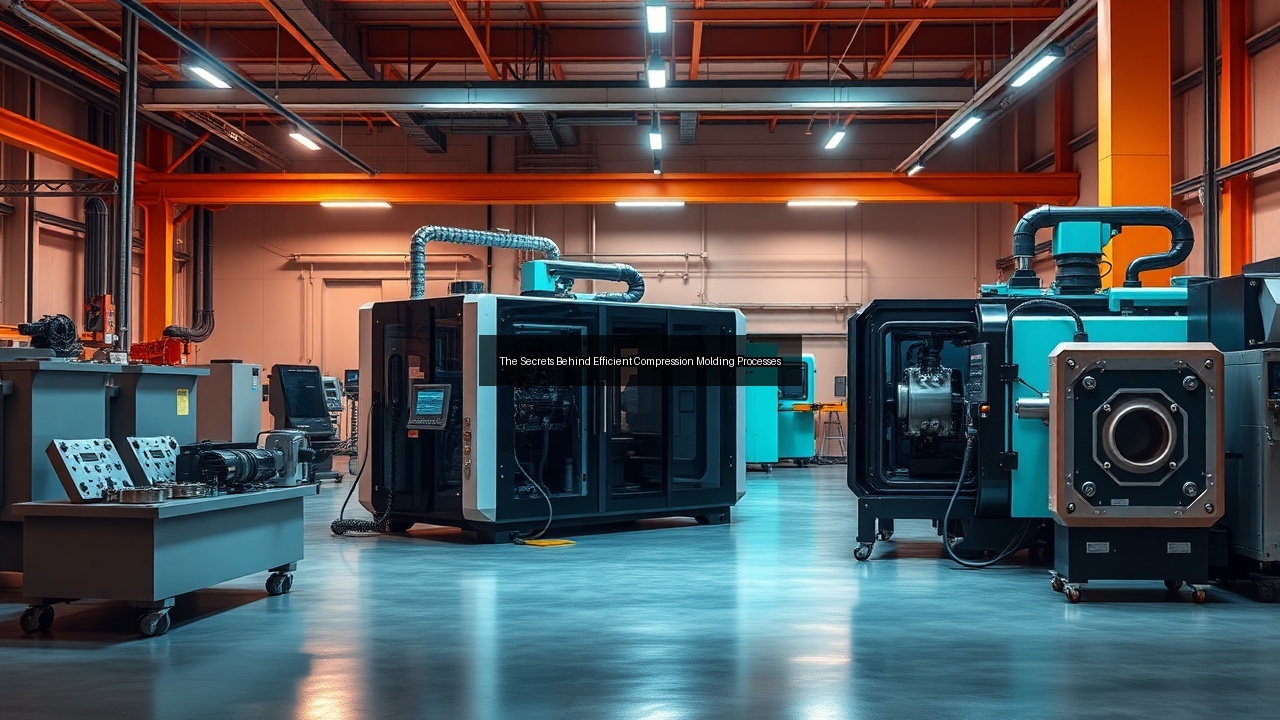
The effectiveness of the compression molding process hinges on the quality of the machines used. Evaluating compression molding machines involves examining their specifications, including tonnage, heating capabilities, and automation features. Machines with higher tonnage can exert more pressure, which is essential for producing high-quality parts. Furthermore, consider the machine's energy efficiency and maintenance requirements, as these factors can impact long-term operational costs. A thorough evaluation will help manufacturers select the right equipment that enhances their compression molding processes while maintaining product quality and efficiency.
The Importance of Reliability in Compression Molding Services
Reliability stands as a cornerstone in the selection of compression molding services. Manufacturers rely on consistent quality and timely delivery to meet market demands and maintain customer satisfaction. A reliable compression molding company implements rigorous quality control measures to ensure that every product meets established specifications. They also provide transparent communication regarding production schedules and potential issues. Prioritizing reliability in supplier partnerships not only enhances operational efficiency but also fosters trust and long-term collaboration, ultimately contributing to a successful outcome for both parties.