Teflon to Titanium Exploring Material Versatility in Swiss Machining Services
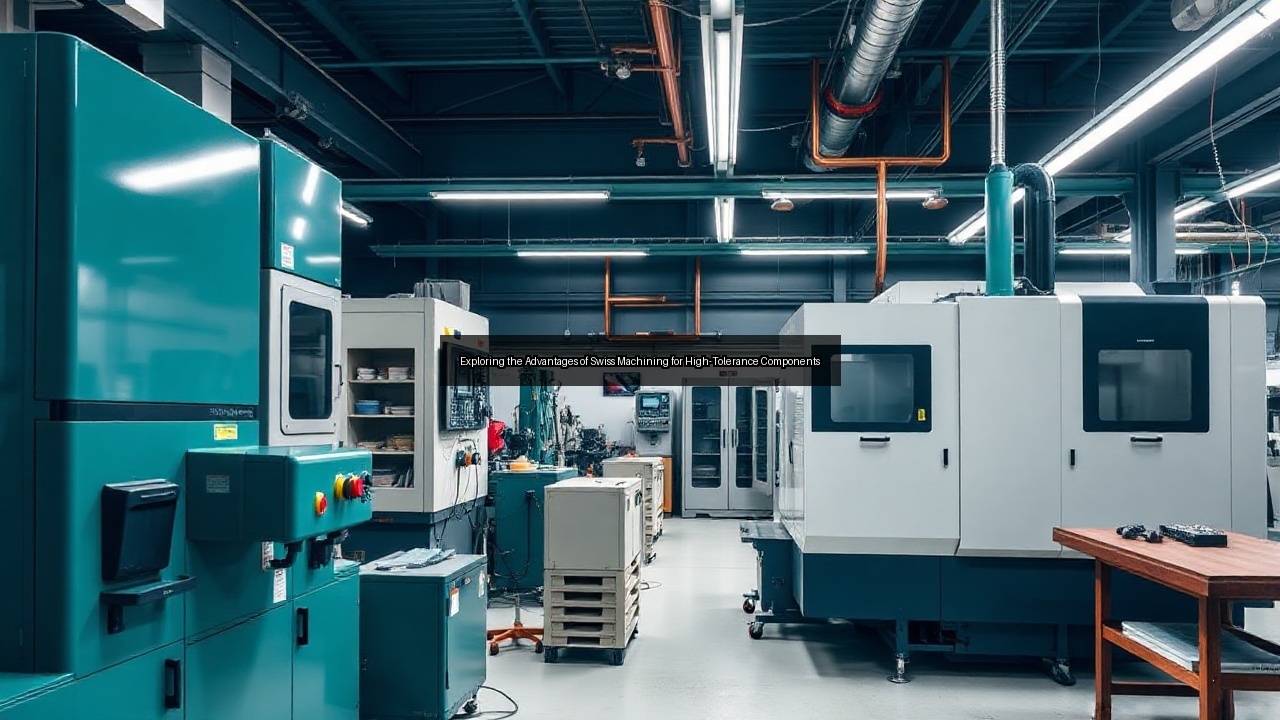
The Evolution of Materials in Swiss Machining Services
Understanding Teflon and Its Applications
Teflon delivers unmatched chemical resistance and low friction in components produced through swiss machining service. Machinists load Teflon rods into swiss screw machines where the spindle maintains tight control during high-speed cuts. This material suits seals, insulators, and medical fittings because it withstands aggressive solvents without degrading. Operators adjust feed rates carefully since Teflon can deform under excessive heat from the cutting tool. Many shops run dedicated tooling to prevent contamination when switching between Teflon and metals on the same cnc machine. The result appears in precision pins and bushings that maintain dimensional stability across temperature swings.
The Rise of Titanium in Precision Machining
Titanium entered swiss machining service because its strength-to-weight ratio outperforms most alloys in aerospace and medical parts. CNC machines equipped with high-pressure coolant systems keep titanium cool while the spindle rotates at optimized speeds. Swiss screw machining handles long, slender titanium shafts without deflection thanks to the guide bushing support. Shops now produce bone screws, turbine blades, and structural brackets from titanium stock on the same setups used for lighter materials. Threading operations require sharp inserts and slower feeds to avoid work hardening. Demand continues to climb as manufacturers seek lighter yet durable components.
Comparative Analysis: Teflon vs. Titanium
Teflon and titanium demand different approaches inside swiss machining service. Teflon machines at higher speeds with minimal coolant, while titanium needs constant flood cooling to protect both part and cutting tool. Tolerances for titanium often reach ±0.0005 inches, tighter than typical Teflon runs because of the metal’s rigidity. Swiss screw machines excel with both materials when operators select correct collets and bushings. Throughput rises when a single cnc machine processes mixed batches using quick-change tooling. Cost per part favors Teflon for high-volume electrical components, yet titanium justifies its price in load-bearing aerospace applications where failure is not an option.
Precision and Efficiency in Swiss Machining
The Role of CNC Machines in Material Versatility
Modern cnc machines give swiss machining service unmatched flexibility across polymers and metals. A single lathe can switch from PTFE to stainless steel by changing programs and holders in minutes. Live tooling stations allow drilling and milling without moving the part to another machine, boosting accuracy. Spindle motors deliver consistent torque even when cutting tough titanium or soft nylon. Shops program optimized tool paths that reduce air time and extend tool life. This versatility lets manufacturers respond quickly to orders that mix screw machined pins with complex cnc turned fittings.
Maximizing Throughput with Swiss Screw Machining
Swiss screw machining increases throughput because the guide bushing supports the workpiece right at the cutting zone. Multiple tools engage simultaneously on bar-fed machines, completing several operations in one cycle. High-volume runs of copper terminals or acetal gears finish faster than conventional turning methods. Operators monitor chip load and adjust speeds to maintain surface finish while pushing cycle times lower. The same setup handles both prototype quantities and production volumes without major retooling. Efficiency gains appear directly in shorter lead times for customers ordering precision components.
ISO 9001 Standards and Their Impact on Quality Control
ISO 9001 certification drives disciplined processes inside every swiss machining service. Documented procedures cover incoming material inspection, in-process checks, and final verification of tolerances. Calibration records for cnc machines and measuring equipment remain current, reducing scrap from out-of-spec parts. Statistical process control tracks variation on critical dimensions such as thread pitch on screw machined fasteners. Auditors review records to confirm corrective actions when nonconformances appear. Customers gain confidence knowing parts meet aerospace and medical requirements consistently.
Exploring Material Options: Beyond Teflon and Titanium
The Versatility of PTFE in CNC Machining
PTFE continues to find new uses in cnc machining because it combines electrical insulation with extreme temperature resistance. Swiss machining service providers machine PTFE valve seats and pump components that resist corrosive fluids. The material’s softness requires sharp tooling and light cuts to prevent burrs. Many shops dedicate separate coolant systems when running PTFE alongside metals. Parts emerge with excellent sealing surfaces that need no secondary polishing. PTFE’s low moisture absorption keeps dimensions stable in humid environments where nylon might swell.
Utilizing Nylon and Acetal in Fabrication
Nylon and acetal bring wear resistance and machinability to projects handled by swiss machining service. Nylon gears and rollers run quietly in conveyor systems, while acetal fittings maintain tight tolerances in fluid handling equipment. CNC milling stations on swiss machines create slots and flats without secondary setups. Both plastics accept fine threading for screw machined connectors. Shops select these materials when weight reduction matters more than extreme strength. Proper chip evacuation prevents heat buildup that could distort finished dimensions.
Stainless Steel and Copper: Strengths in Machining
Stainless steel and copper remain staples for swiss machining service when conductivity or corrosion resistance is required. Stainless parts such as medical pins and valve stems hold up under repeated sterilization. Copper terminals and contacts benefit from the high spindle speeds available on modern cnc machines. Swiss screw machining produces long, slender copper shafts with minimal whip thanks to the support bushing. Threading stainless demands coated inserts, while copper cuts cleanly with standard tooling. Mixed-material assemblies often combine both metals in one production run.
The Process of Swiss Machining: Techniques and Technologies
CNC Turning vs. CNC Milling in Swiss Machining
CNC turning dominates swiss machining service for cylindrical parts because the rotating bar stock meets fixed tools in a single setup. CNC milling adds cross holes, flats, and slots using live tooling mounted on the same machine. The combination lets one operator produce complete components without moving stock between lathes and mills. Swiss screw machines excel at turning long, small-diameter parts where traditional lathes would require steady rests. Milling operations maintain the same tight tolerances because the guide bushing keeps the part rigid. Shops optimize programs to balance turning and milling cycle times for maximum efficiency.
Advanced Threading Techniques for Precision Parts
Threading on swiss machines reaches high precision through synchronized spindle and tool motion. Single-point threading creates custom pitches on titanium screws, while thread whirling produces accurate forms in one pass on high-volume runs. CNC machines store multiple thread programs so operators can switch between metric and unified threads quickly. Proper chip control prevents stringy material from wrapping around the cutting tool during long threading cycles. Quality checks with thread ring gauges verify every batch before parts leave the swiss machining service floor.
Machining Tolerances: Achieving Accuracy in Production
Achieving tight tolerances starts with machine calibration and stable fixturing in swiss machining service. Guide bushings and collets sized to the bar stock eliminate runout that would otherwise push dimensions out of spec. Operators verify critical features such as pin diameters and thread depths with calibrated gauges at regular intervals. CNC programs include probing routines that automatically correct for tool wear. The result is consistent accuracy across thousands of parts whether the material is PTFE, stainless steel, or acetal. This level of control supports industries that cannot accept variation.
Case Studies and Applications in Swiss Machining Services
Aerospace Components: The Need for High Precision
Aerospace manufacturers rely on swiss machining service for brackets, fittings, and actuator pins that must survive extreme conditions. Titanium and stainless steel parts receive rigorous first-article inspection before volume production begins. CNC machines maintain positional accuracy across multiple operations so every hole aligns with mating assemblies. Swiss screw machining produces slender shafts that fit within narrow weight budgets. JIT delivery schedules keep assembly lines moving without excess inventory. Quality documentation satisfies both customer and regulatory audits.
McCormick Industries: A Model of Efficiency in Machining
McCormick Industries demonstrates how swiss machining service can scale from prototypes to high-volume runs. Their cnc machines handle mixed materials including nylon, copper, and titanium on shared setups. Logistics management practices align production with customer forecasts, reducing lead times. Threading and milling operations complete in single cycles, cutting handling costs. ISO 9001 processes ensure every shipment meets specification. The shop’s ability to maintain tight tolerances while increasing throughput has earned repeat business across medical and aerospace sectors.
JIT Logistics Management in Swiss Machining
JIT logistics management integrates directly with swiss machining service to synchronize material arrival with production schedules. Bar stock for screw machines arrives just before jobs launch, minimizing storage needs. CNC programs download automatically from the ERP system once raw material is verified. Finished parts move immediately to shipping without batch accumulation. This approach lowers carrying costs and accelerates response to design changes. Customers receive consistent quality because processes remain under tight control from order entry through final inspection.