Transforming Materials The Role of Swiss Machining in Fabricating Innovative Components
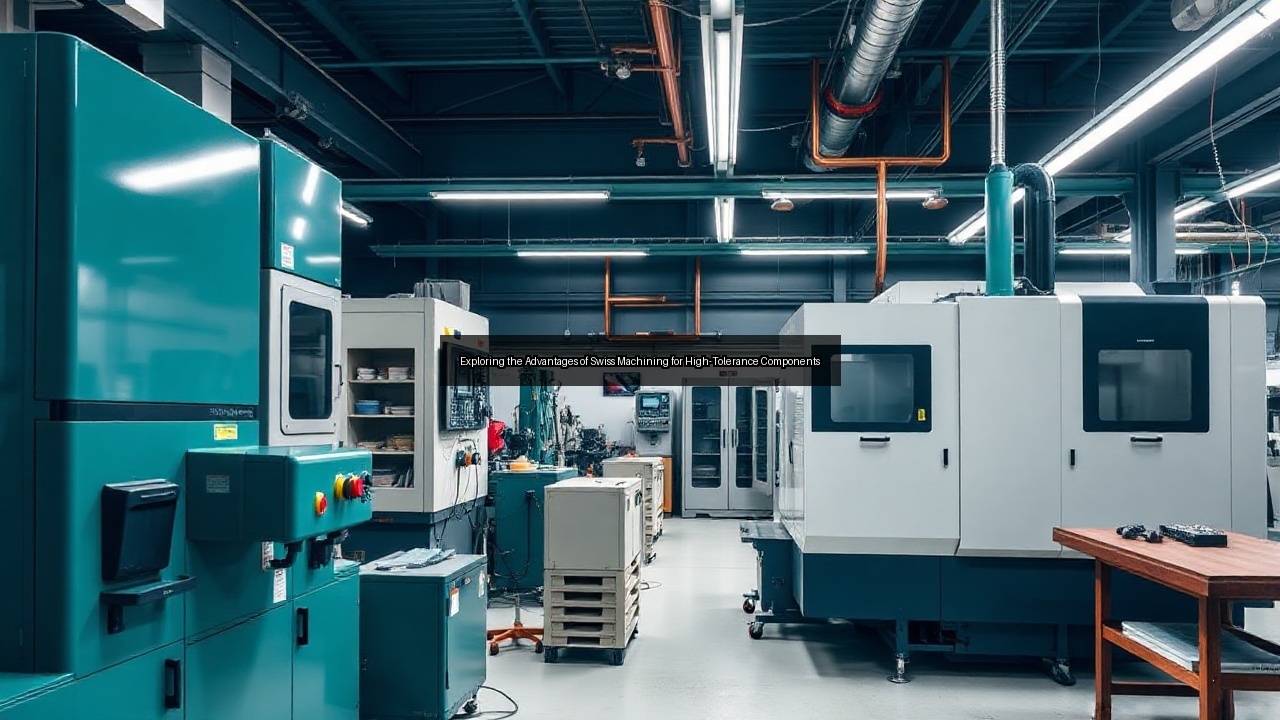
Understanding Swiss Machining: Precision at Its Best
What is Swiss Machining?
Swiss machining delivers unmatched precision for small, complex parts through a specialized turning process that supports the workpiece close to the cutting tool. This approach minimizes deflection and enables tight tolerances on components such as pins, screws, and intricate fittings. Manufacturers rely on swiss machining service providers to produce high-volume runs with consistent accuracy, often completing parts in a single setup that combines turning, milling, and drilling operations.
The technique originated in Switzerland for watch components and now serves industries that demand extreme detail. A typical swiss screw machining setup feeds bar stock through a guide bushing while the spindle rotates the material, allowing tools to cut near the support point. This configuration handles diameters from fractions of a millimeter up to several inches while maintaining surface finishes that reduce secondary processing.
Key Features of Swiss Machining
Swiss machining stands out for its use of a sliding headstock and guide bushing that keeps the workpiece rigid during high-speed cutting. The spindle maintains constant support, which boosts accuracy and permits deeper cuts without vibration. Multiple tool stations operate simultaneously, increasing throughput and shortening cycle times compared with conventional methods.
Operators program swiss machines to perform turning, threading, and milling in one cycle, eliminating the need to move parts between machines. This integrated workflow reduces handling errors and improves overall efficiency. Advanced models incorporate live tooling and sub-spindles that finish both ends of a component without manual intervention, further enhancing speed and repeatability.
Comparison with Traditional Machining Techniques
Traditional lathes and mills often require multiple setups and fixtures, which introduce variability and extend lead times. Swiss machining centers complete complex geometries in fewer operations because the guide bushing supports the material right at the cut zone. This difference translates into superior tolerances and smoother finishes on long, slender parts that would otherwise bend under conventional cutting forces.
While standard cnc turning works well for larger components, swiss screw machining excels at miniature and high-precision work. Shops that adopt swiss technology report higher throughput on small-diameter runs because the process avoids the whip and chatter common in unsupported bar turning. The result is fewer scrapped pieces and lower overall production costs for precision applications.
The Process of Swiss Machining: From Concept to Component
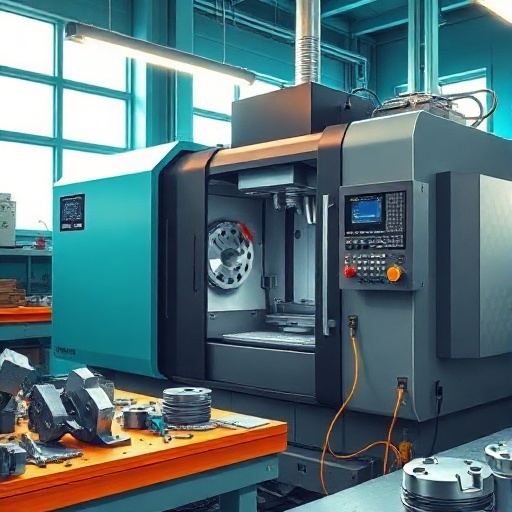
Overview of the Swiss Machining Process
The swiss machining process begins with bar stock loaded into the machine’s feeder. The material advances through the guide bushing as the spindle rotates, and cutting tools engage close to the support point. Programmed sequences perform turning, grooving, and threading while the part remains fully supported, producing finished components ready for assembly or further treatment.
Once the machine completes a part, the next section of bar stock advances automatically, enabling continuous production. This automated flow supports high-volume manufacturing without constant operator attention. Shops monitor tool wear and coolant delivery throughout the run to maintain consistent quality across thousands of pieces.
Utilizing CNC Machines in Swiss Machining
CNC machines form the backbone of modern swiss machining service operations. Operators load CAD models into the control software, which converts designs into precise tool paths for every spindle movement and turret position. The integration of cnc turning and cnc milling within the same setup allows complex contours, cross-holes, and threads to be machined without repositioning the workpiece.
Multi-axis cnc machines expand capability by adding live tooling that rotates cutting tools independently of the main spindle. This flexibility lets manufacturers create features such as flats, slots, and angled holes in a single cycle. The result is faster production and tighter control over dimensional accuracy across every machined part.
The Role of Spindles in Enhancing Precision
The spindle provides the rotational force that drives both the workpiece and live tooling. High-precision bearings and balanced designs minimize runout, ensuring that each revolution maintains exact positioning relative to the cutting tools. In swiss screw machining, the main spindle works in tandem with a guide bushing to deliver stable support throughout the cut.
Variable-speed spindles allow operators to optimize surface speeds for different materials, from stainless steel to softer plastics. Sub-spindles on many machines pick up the part mid-cycle to machine the back side, completing complex geometries without additional handling. This spindle coordination directly improves accuracy and reduces cycle time on high-precision runs.
Materials and Applications in Swiss Machining
Common Materials Used in Swiss Machining
Swiss machining handles a wide range of materials with equal precision. Stainless steel and copper respond well to the process, producing durable components that meet demanding mechanical specifications. Plastics such as teflon, nylon, acetal, and ptfe machine cleanly, yielding parts with excellent chemical resistance and low friction characteristics for seals, insulators, and medical devices.
Material selection influences tool geometry, feed rates, and coolant strategies. Shops experienced in swiss machining service adjust parameters to prevent melting in thermoplastics or work hardening in metals. Proper chip evacuation and sharp cutting tools ensure clean finishes that often eliminate the need for polishing or additional deburring steps.
Applications in Aerospace and Beyond
Aerospace manufacturers depend on swiss machining to produce lightweight fittings, connectors, and actuator components that must withstand extreme conditions. The process delivers the tight tolerances and repeatability required for flight-critical hardware. Similar precision benefits automotive, electronics, and defense sectors where small, intricate parts drive system performance.
Medical device companies use swiss screw machining to fabricate surgical instruments, implants, and diagnostic equipment components. The ability to work with biocompatible materials at high volume supports scalable production while maintaining the surface quality necessary for sterilization and patient safety. These applications highlight the versatility of swiss technology across regulated industries.
The Use of Advanced Plastics: Teflon and Nylon
Teflon and nylon present unique machining challenges because of their low thermal conductivity and tendency to deform under heat. Swiss machines equipped with sharp carbide tools and optimized coolant delivery produce clean threads and smooth surfaces on these materials without burrs or melting. The resulting parts serve as insulators, bushings, and wear components in corrosive environments.
Acetal and ptfe also benefit from the rigid support provided by the guide bushing, which prevents deflection during deep grooving or threading operations. Manufacturers achieve consistent wall thicknesses and fine details that injection molding cannot match for low- to medium-volume runs. This capability expands design options for engineers seeking custom plastic components with high precision.
Quality Assurance in Swiss Machining Services
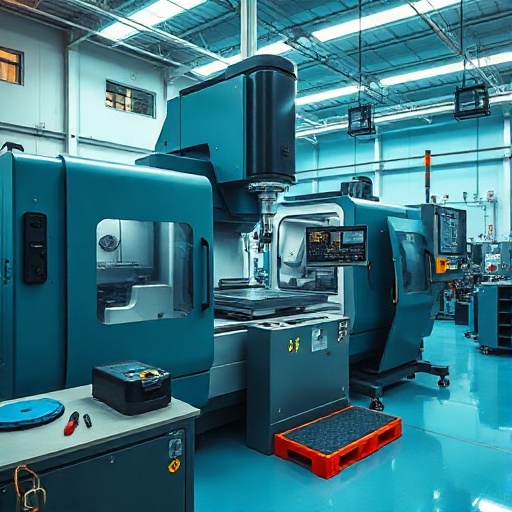
Importance of ISO 9001 Certification
ISO 9001 certification signals that a swiss machining service follows documented processes for planning, production, and inspection. Certified shops maintain traceable records for every batch, which helps customers verify compliance with industry standards. The framework encourages continuous improvement in equipment calibration and operator training, directly supporting consistent part quality.
Customers in aerospace and medical fields often require ISO 9001 suppliers to reduce risk in their supply chains. Certification demonstrates that the shop controls variables from material receipt through final packaging, including regular audits of tooling and measurement equipment. This rigor translates into fewer defects and more reliable delivery performance.
Maintaining Tolerances and Accuracy
Swiss machining routinely holds tolerances of ±0.0002 inches on critical diameters and lengths. In-process probing and post-machining inspection with coordinate measuring machines confirm that every feature meets specification. Operators adjust offsets in real time to compensate for tool wear, preserving accuracy across long production runs.
The guide bushing and rigid spindle design reduce variation that commonly appears in unsupported turning. Shops track statistical process control data to identify trends before parts drift out of tolerance. This proactive approach minimizes scrap and ensures that precision machined components arrive ready for immediate assembly or installation.
The Role of Threading in Quality Control
Threading operations demand careful control of pitch diameter and flank angles to guarantee proper fit and function. Swiss machines execute single-point threading or thread whirling with high repeatability, producing threads that meet class standards without secondary tapping. In-process gauging verifies thread quality before the part leaves the machine.
Accurate threading also supports downstream assembly steps such as screw insertion or sealing. Shops that specialize in screw machined parts document thread measurements as part of their quality records, giving customers confidence in functional performance. Proper tool selection and feed synchronization prevent burrs that could affect mating surfaces or sealing integrity.
Innovations and Future Trends in Swiss Machining
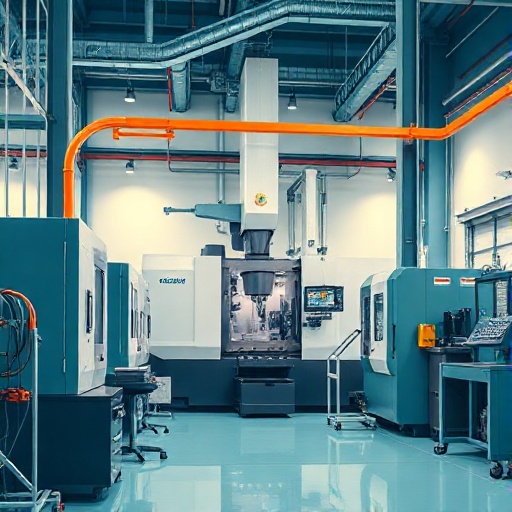
Emerging Technologies in CNC Machining
Recent advances in cnc machining integrate artificial intelligence for adaptive feed control and predictive maintenance. Sensors on the spindle and cutting tools detect vibration or temperature changes and automatically adjust parameters to maintain surface finish. These capabilities extend tool life and reduce unplanned downtime in high-volume swiss machining service environments.
Five-axis and multi-spindle configurations continue to expand the range of features that can be completed in one cycle. Hybrid machines that combine additive deposition with traditional cutting open new possibilities for repair or hybrid metal-plastic components. Manufacturers adopting these technologies gain competitive advantages in speed and design flexibility.
The Impact of JIT and Logistics Management
JIT production aligns swiss machining output with customer demand, minimizing inventory costs and reducing lead times. Integrated logistics management systems track raw material deliveries and finished part shipments in real time, ensuring that production schedules remain synchronized with assembly lines. Shops that master these practices deliver smaller batch sizes without sacrificing efficiency.
Digital dashboards provide visibility into machine utilization and order status, allowing rapid response to schedule changes. This level of coordination benefits customers who operate lean manufacturing environments and require reliable, on-time arrivals of precision machined components. The combination of swiss technology and disciplined logistics creates a responsive supply chain.
Sustainability in Machine Fabrication
Modern swiss machining incorporates energy-efficient spindles and optimized coolant systems that reduce power consumption per part. Shops recycle metal chips and coolant, lowering waste streams and operating costs. These practices align with broader industry goals of decreasing the environmental footprint of precision manufacturing.
Design for manufacturability reviews help engineers reduce material usage while preserving part strength. Longer tool life through better coatings and adaptive machining further conserves resources. As regulations tighten, facilities that invest in sustainable swiss machining service capabilities position themselves as preferred partners for environmentally conscious clients.
See Also
- The Art of CNC Turning Exploring the Versatility of Swiss Machining Techniques
- From Spindles to Screws Why Swiss Machining is the Key to Efficiency in Aerospace
- Navigating Tolerances How Swiss Machining Services Ensure Quality and Accuracy
- Unlocking Precision The Advantages of Swiss Machining Services in Modern Manufacturing