Understanding the Role of Automation in Swiss Machining Processes
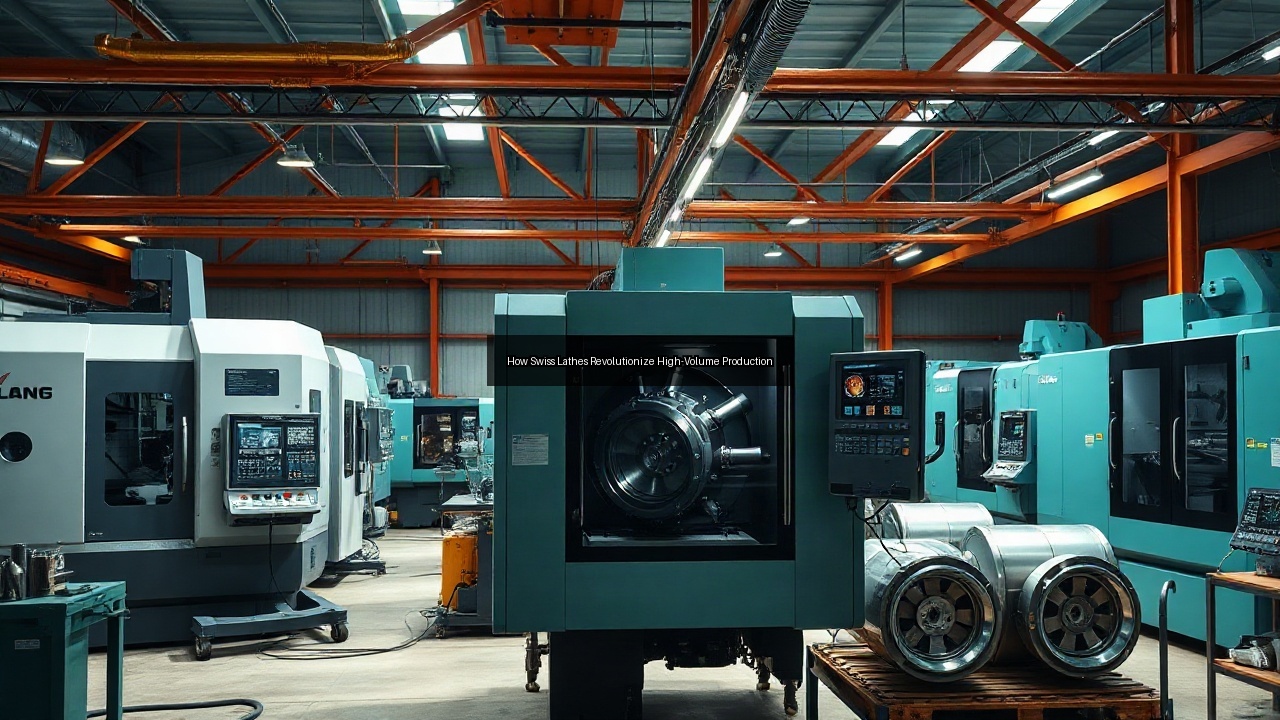
The Evolution of Swiss Machining Technology
Historical Background of Swiss Machining
Swiss machining originated in the 19th century watchmaking industry of Switzerland, where precision demands drove the creation of specialized screw machines. These early lathes allowed manufacturers to produce tiny, intricate components with tight tolerances that standard equipment could not achieve. Over decades, the technology spread beyond watches into medical and industrial applications. The core design featured a sliding headstock that guided bar stock through a bushing for stability during cutting. This approach minimized deflection and supported high-accuracy work on small diameters. Machine shops adopted these screw machines because they delivered consistent results on long, slender parts that other lathes struggled to handle. The historical foundation still influences modern swiss machining by emphasizing guide bushing support and sequential operations that reduce secondary handling.
Introduction of CNC Swiss Machining
CNC swiss machining transformed traditional screw machines by adding computer control to every axis. Operators now program complex tool paths that execute automatically, eliminating manual adjustments between operations. This shift enabled faster setup times and repeatable accuracy across production runs. CNC machines integrate live tooling stations that perform milling, drilling, and threading without moving the part to another station. Swiss style lathes equipped with these controls handle parts up to 32 millimeters in diameter while maintaining micron-level precision. The introduction of CNC also allowed machine shops to store programs for quick changeovers, boosting overall productivity. Manufacturers in aerospace and medical fields quickly adopted CNC swiss machining because it reduced human error while increasing throughput on intricate geometries.
Comparison: Traditional Swiss Lathes vs. CNC Machines
Traditional swiss lathes rely on mechanical cams and manual tool setting, which limits flexibility and requires skilled operators for each new job. In contrast, CNC machines use software-driven instructions that store hundreds of part programs and adjust feeds and speeds instantly. A swiss lathe from the cam era might produce one component type efficiently but struggles with frequent design changes. CNC swiss machining equipment handles varied geometries in the same setup through automatic tool selection and bar feeder integration. Productivity rises because CNC versions reduce downtime between batches. Machine shops report that switching to CNC machines cuts setup time by more than half while improving surface finishes on nickel alloys and other tough materials. The comparison shows clear gains in volumes and consistency that automation delivers over purely mechanical systems.
Key Components of Swiss Machining Processes
Understanding Swiss Lathes and Their Functionality
A swiss lathe operates with a guide bushing positioned close to the cutting tool, supporting the workpiece right at the point of contact. This design prevents whip and vibration on long, thin parts, allowing deeper cuts at higher speeds. The headstock slides along the Z-axis while tools remain stationary, creating the signature swiss turning motion. Modern swiss machines add multiple tool stations around the bushing for simultaneous operations that shorten cycle times. Operators load bar stock into automatic feeders that keep production running unattended for hours. The functionality extends to sub-spindles that grab the part for back-side machining without manual intervention. Swiss machining solutions built around these lathes excel at producing high volumes of precision components for industries that demand zero defects.
Essential Tooling for Precision Machining
Tooling in swiss machining includes carbide inserts, collets, and guide bushings chosen specifically for the material and part diameter. Proper selection prevents deflection and maintains tight tolerances across thousands of cycles. Live tooling heads add milling and drilling capability directly on the machine, eliminating the need for secondary equipment. Shops optimize tooling life by matching insert grades to nickel and stainless steels that generate high heat. Automatic tool changers and presetters further reduce downtime when switching between jobs. Precision machining depends on sharp, correctly aligned tools because even minor wear affects geometries and surface quality. Regular inspection of collets and bushings ensures the swiss lathe maintains the support that distinguishes it from conventional turning centers.
Role of Software in Modern Swiss Machining
Software drives every modern swiss machining process through CAD/CAM programs that generate tool paths and simulate cuts before metal is removed. Operators import part models, select tooling, and let the system calculate optimal feeds and speeds. Advanced packages include collision detection that prevents crashes during complex multi-axis moves. Integration with CNC machines allows real-time monitoring of spindle loads and tool wear, triggering automatic adjustments or alerts. Machine shops use this software to schedule jobs across multiple swiss style lathes and track productivity metrics such as cycle time and scrap rates. The role extends to post-processing that converts designs into G-code tailored for specific controllers. Without robust software, automation features like bar feeders and robotic part handling would lack the instructions needed for reliable operation.
Automation and Its Impact on Productivity
The Rise of Automation in Machine Shops
Automation entered machine shops through bar feeders, chip conveyors, and robotic loaders that keep swiss machines running during breaks and overnight shifts. Early adopters focused on reducing operator intervention on repetitive tasks. Today, full automation includes in-process gauging that measures parts on the machine and feeds data back to the CNC controller for automatic offsets. This closed-loop approach maintains quality while operators manage multiple machines. The rise of automation aligns with labor shortages, allowing shops to sustain output without adding staff. Swiss machining benefits particularly because the process already emphasizes long, unattended runs on small-diameter parts. Shops that invest in automated cells report measurable gains in overall equipment effectiveness and consistent volumes across shifts.
Enhancing Production Volumes with Automation
Automation increases production volumes by minimizing idle time between cycles and enabling lights-out operation. A single swiss lathe equipped with a bar feeder and parts catcher can produce thousands of components per week with minimal supervision. When combined with CNC machining software that optimizes tool paths, cycle times drop further. Shops track these volumes through integrated dashboards that compare actual output against targets. Automation also supports higher spindle utilization rates because machines no longer wait for manual loading. In high-mix environments, quick-change tooling and automated offsets reduce setup time, allowing more jobs to run each day. The net result is greater throughput without sacrificing the precision that defines swiss machining parts.
Case Studies: Automation in Aerospace Swiss Machining
Aerospace manufacturers rely on automated swiss machining to produce fasteners, fittings, and sensor housings from nickel and titanium alloys. One supplier integrated robotic tending with three CNC swiss machines, raising daily output from 800 to over 2,400 parts while cutting scrap by 40 percent. Another facility added in-machine probing and automatic tool compensation, allowing continuous runs on critical geometries with zero defects over multi-week campaigns. These case studies highlight how automation addresses the strict documentation and traceability requirements of aerospace work. Productivity metrics improved across the board, with operators shifting focus from loading bars to programming and quality oversight. The examples demonstrate that automation scales swiss precision machining to meet demanding volume and quality targets.
Geometries and Machined Parts in Swiss Machining
Precision Machining: The Importance of Geometries
Geometries dictate every aspect of swiss machining because the guide bushing and sliding headstock excel at producing long, slender features with minimal runout. Complex profiles, undercuts, and threads require careful sequencing to avoid deflection. Precision machining succeeds when programmers account for tool reach and chip evacuation around tight internal radii. Shops verify geometries through CMM inspection and optical comparators before approving production. Even small deviations in concentricity or straightness can render parts unusable in assemblies. The importance of accurate geometries grows with part complexity, pushing manufacturers toward advanced simulation software that predicts deflection before the first chip is cut. Swiss machining maintains its reputation for precision by matching machine capability to the specific shape requirements of each component.
Common Materials Used: Nickel and Others
Nickel alloys dominate swiss machining applications in aerospace and medical fields because they resist corrosion and maintain strength at high temperatures. These materials demand sharp tooling, proper coolant delivery, and reduced speeds to avoid work hardening. Stainless steels, brass, and aluminum also see frequent use, each requiring tailored feeds and insert grades. Machine shops stock dedicated tooling for nickel to prevent premature wear during long production runs. The choice of material directly affects cycle time and surface finish quality. Automation helps maintain consistent parameters across material batches, reducing variation in machined dimensions. Understanding how different alloys behave under the guide bushing supports better process planning and higher first-pass yields.
Trends in Swiss Machining Parts Design
Design trends favor smaller, more intricate swiss machining parts with integrated features that eliminate assembly steps. Engineers specify thinner walls and finer threads that only swiss style lathes can produce reliably. Additive manufacturing influences some geometries by allowing hybrid parts that combine turned and printed sections. Shops respond by investing in machines with more live tooling stations and larger tool magazines. Trends also include greater use of simulation to validate designs before production, shortening development cycles. As volumes increase for electric vehicle and medical components, designers prioritize features that maximize unattended run times. These evolving requirements keep swiss machining technology advancing to meet new geometric challenges.
Future Trends and Innovations in Swiss Machining
Advancements in Swiss Machining Technology
Advancements focus on faster controllers, higher horsepower spindles, and expanded tool capacity that allow swiss machining to tackle larger diameters and tougher materials. New machine models incorporate thermal compensation systems that maintain accuracy during extended runs. Hybrid machines combine swiss turning with laser marking or grinding in a single setup, reducing handling. Shops adopting these innovations see direct improvements in productivity and part quality. The technology continues to evolve toward greater modularity, letting manufacturers configure machines for specific product families. These advancements keep swiss machining competitive against other precision processes by delivering higher volumes without compromising the tight tolerances customers expect.
The Role of AI and Machine Learning in Automation
AI and machine learning analyze sensor data from CNC machines to predict tool wear and optimize cutting parameters in real time. This capability reduces unplanned downtime and extends tooling life on difficult materials like nickel. Machine learning models trained on historical runs suggest feed and speed adjustments that improve surface finish or shorten cycle times. Automation systems use these insights to adjust offsets automatically, maintaining quality across long production volumes. Shops implementing AI report higher overall equipment effectiveness because the software identifies subtle process drifts before they create scrap. The role of AI strengthens as data collection grows more comprehensive, turning raw machine information into actionable decisions that enhance swiss precision machining outcomes.
Sustainable Practices in Swiss Machining Processes
Sustainable practices include high-pressure coolant systems that reduce fluid consumption while improving chip control and tool life. Shops recycle chips and use energy-efficient motors on swiss lathes to lower operating costs. Automation supports sustainability by running machines only when needed and optimizing tool paths to minimize waste. Dry machining trials on certain materials further reduce environmental impact. Manufacturers track energy use per part as a key performance indicator alongside traditional productivity metrics. These practices align with customer demands for responsible sourcing while maintaining the precision and volumes required in competitive markets. Swiss machining continues to adopt greener methods without sacrificing the accuracy that defines the process.