Unlocking Precision with Swiss Machining Services for Aerospace Applications
The Importance of Precision in Aerospace Manufacturing
Understanding Aerospace Tolerances
Aerospace manufacturing demands unparalleled precision. Engineers and manufacturers must adhere to strict tolerances, often measured in microns. These tolerances ensure that every component, from small pins to complex assemblies, fits seamlessly into larger systems. A slight deviation can lead to catastrophic failures, jeopardizing both safety and performance. This stringent requirement calls for advanced machining techniques capable of producing parts that meet or exceed these specifications. Swiss machining services excel in this area, providing the accuracy needed to meet aerospace standards. With the use of specialized tools and advanced technology, manufacturers can achieve the necessary tolerances to ensure the reliability of aerospace components.
Role of Precision Machining in Aerospace
Precision machining plays a critical role in the aerospace sector. It involves the careful fabrication of components that require exact measurements and finishes. Swiss screw machining, known for its ability to produce complex geometries with high accuracy, has become a favored method for creating aerospace parts. This technique allows manufacturers to produce intricate features, such as threading and various profiles, that are essential for the functionality of aerospace applications. The efficient use of CNC machines ensures that components cnc machined are not only precise but also produced at high speeds, optimizing throughput while maintaining quality. In an industry where reliability is paramount, precision machining stands as the backbone of successful aerospace manufacturing.
ISO 9001 Certification in Aerospace Manufacturing
ISO 9001 certification represents a commitment to quality management and continuous improvement. In aerospace manufacturing, this certification is essential as it demonstrates compliance with international quality standards. Companies that achieve ISO 9001 certification prove their ability to consistently deliver products that meet customer and regulatory requirements. This is particularly important in the aerospace industry, where safety regulations are stringent. A Swiss machining service that holds this certification assures clients that their processes, from CNC turning to quality control, meet the highest standards. As a result, aerospace manufacturers can trust that their components will perform reliably under critical conditions, bolstering confidence in the final product.
Swiss Machining Services: A Closer Look
What is Swiss Screw Machining?
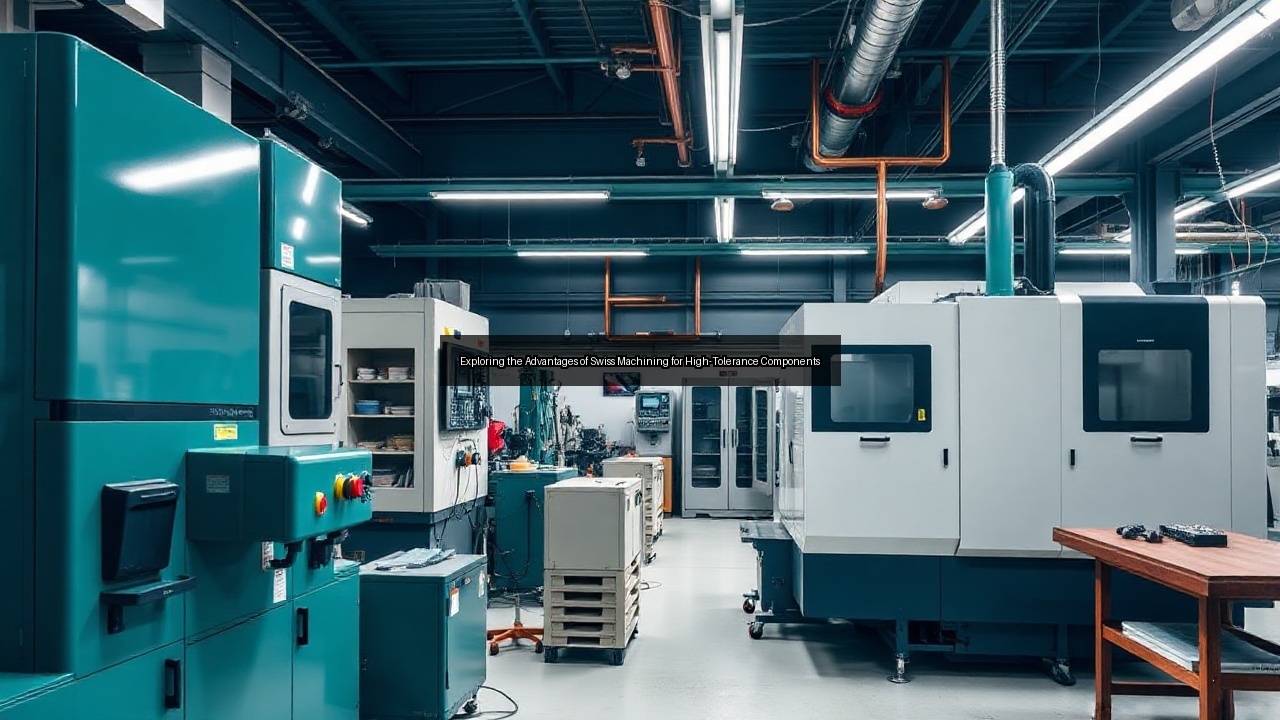
Swiss screw machining is a specialized form of CNC machining that excels in producing small, precise parts. The process involves using a Swiss machine, which features a sliding headstock and a fixed spindle. This configuration allows for high-speed production of highly accurate components, such as screws and pins, with complex shapes and features. The unique design of Swiss machines enables longer workpieces to be machined without sacrificing precision. The result is a high level of accuracy and efficiency, making Swiss screw machining ideal for aerospace applications. Manufacturers benefit from reduced cycle times and increased throughput, translating into cost savings and faster delivery of components.
Benefits of Swiss Machining for Aerospace Parts
Swiss machining offers numerous benefits for producing aerospace parts. The most notable advantage is the superior precision achieved during the machining process. This high level of accuracy is crucial for aerospace applications, where even the slightest error can lead to performance issues. Additionally, Swiss machining allows for the efficient fabrication of complex geometries, which are often required in aerospace components. The ability to perform multiple machining operations in a single setup enhances productivity and reduces lead times. Furthermore, Swiss machining services can accommodate a wide range of materials, including stainless steel, copper, nylon, and specialty plastics like Teflon and acetal. This versatility makes Swiss machining an invaluable asset in the aerospace manufacturing landscape.
Comparison of Swiss Machining vs. CNC Machining
While Swiss machining is a subset of CNC machining, it offers unique advantages that set it apart. Traditional CNC machining typically involves a fixed workpiece and moving cutting tools, which can limit the complexity of parts produced. In contrast, Swiss machining provides a sliding headstock that moves the workpiece while the spindle remains stationary, allowing for intricate designs with high tolerances. This method excels in producing small, precise components at high speeds, which is essential in the aerospace industry. Additionally, Swiss machines often require fewer setups, reducing time and costs associated with production. Aerospace manufacturers often prefer Swiss machining services for their ability to deliver high-quality, precision machined components efficiently.
Key Materials Used in Swiss Machining for Aerospace
Common Materials: Stainless Steel, Copper, and Nylon
Swiss machining services utilize a range of materials tailored to the specific needs of aerospace applications. Stainless steel stands out due to its strength, durability, and resistance to corrosion, making it ideal for components exposed to harsh environments. Copper, known for its excellent electrical conductivity, is often used in aerospace applications requiring efficient power distribution. Nylon also finds its place in aerospace manufacturing due to its lightweight cnc machining service properties and resistance to wear, making it suitable for various non-structural components. The careful selection of these materials ensures that aerospace parts can withstand the rigors of flight while maintaining performance standards.
Specialty Plastics: Teflon and Acetal
Specialty plastics play a significant role in aerospace manufacturing, particularly for applications requiring lightweight and durable materials. Teflon, or PTFE, is renowned for its exceptional chemical resistance and low friction properties, making it ideal for seals and bearing surfaces. Acetal, on the other hand, offers high strength and stiffness, making it suitable for precision components that require tight tolerances. These materials, when machined using Swiss techniques, provide the necessary performance characteristics for aerospace applications. The ability to machine these specialty plastics with precision ensures that manufacturers can meet the demanding requirements of the aerospace industry.
The Impact of Material Selection on Machining Efficiency
Material selection significantly impacts the efficiency and effectiveness of the machining process. Each material behaves differently during machining, affecting tool wear, cutting speeds, and overall production rates. Choosing materials that are compatible with Swiss machining techniques can enhance efficiency and reduce costs. For example, harder materials may require specialized cutting tools and slower speeds, while softer materials like nylon can be machined at higher speeds. The right material can also minimize the need for secondary operations, further streamlining production. Aerospace manufacturers must carefully consider their material choices to optimize machining efficiency while ensuring the final product meets stringent quality standards.
Optimizing Production with Swiss Machining Technologies
Advanced CNC Machines and Their Role
Advanced CNC machines play a pivotal role in enhancing the capabilities of Swiss machining services. These machines are equipped with state-of-the-art technology that allows for greater precision, speed, and flexibility in machining processes. Features such as multi-axis movement enable the production of complex parts in a single setup, reducing cycle times and increasing throughput. The integration of automation and robotics in CNC machining further streamlines production, allowing for unattended operations and minimizing human error. Aerospace manufacturers benefit from these advancements as they can produce high-quality components more efficiently, meeting the demands of an ever-evolving industry.
Speed and Throughput in Swiss Machining
Speed and throughput are critical factors in aerospace manufacturing, where time-to-market can significantly impact competitiveness. Swiss machining services excel in delivering high-speed production of precision parts, thanks to their unique design and efficient processes. The ability to perform multiple machining operations in one setup minimizes downtime and maximizes output. Furthermore, the precise nature of Swiss machining reduces scrap rates, allowing manufacturers to achieve higher yields. This combination of speed and efficiency ensures that aerospace manufacturers can meet tight deadlines without compromising on quality, making Swiss machining an indispensable aspect of modern aerospace production.
Logistics Management and JIT Manufacturing in Aerospace
Effective logistics management and just-in-time (JIT) manufacturing are essential for optimizing production in the aerospace industry. JIT principles emphasize minimizing inventory and reducing waste, aligning production schedules closely with demand. Swiss machining services support JIT manufacturing by delivering precision machined components quickly and efficiently. With advanced scheduling and streamlined logistics, manufacturers can ensure that parts arrive exactly when needed, reducing lead times and storage costs. By leveraging Swiss machining technologies, aerospace companies can enhance their production capabilities, improve supply chain efficiency, and respond more rapidly to changing market demands.
See Also
- The Science Behind Swiss Machining and Its Competitive Edge
- Why ISO 9001 Certification Matters in Swiss Machining Services
- Maximizing Efficiency in CNC Turning with Swiss Machining Techniques
- Enhancing Product Quality with Advanced Swiss Machining Techniques
- Streamlining Logistics Management with Swiss Machining Services