Revolutionizing Aerospace Manufacturing with Swiss Style Lathes
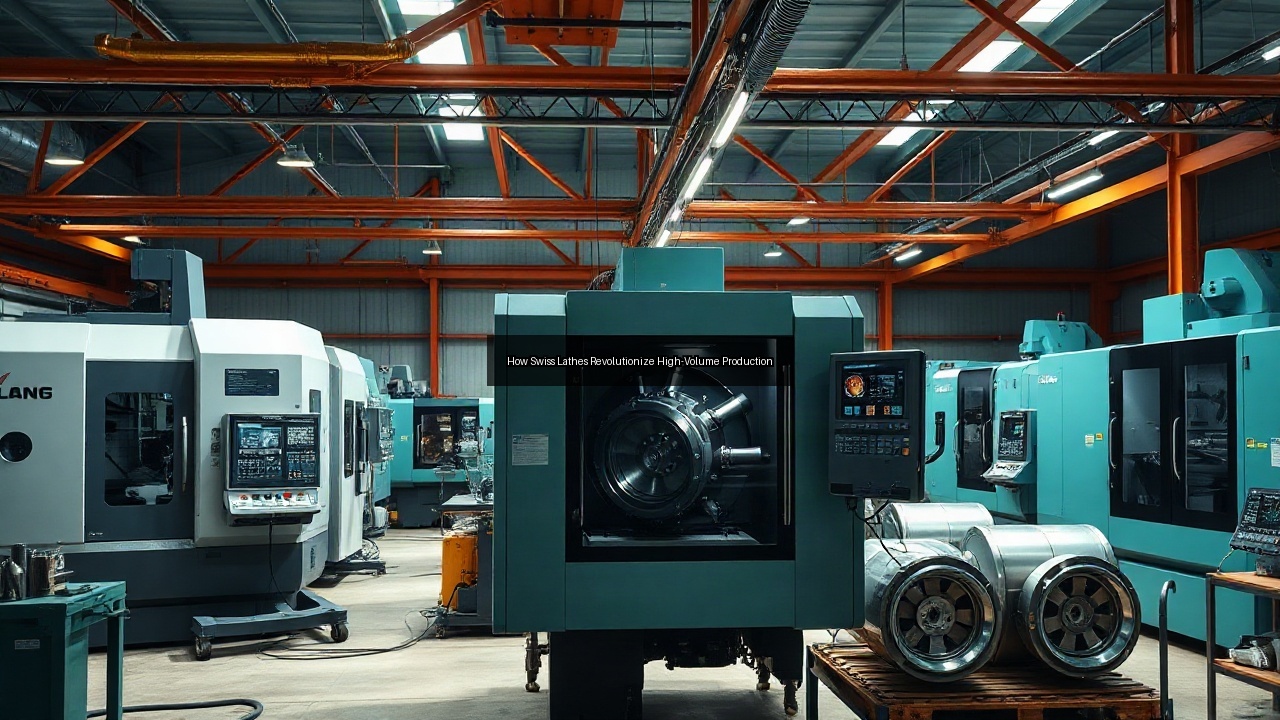
The Evolution of Swiss Style Lathes in Aerospace Manufacturing
Historical Overview of Swiss Machining
Swiss machining traces its origins back to the late 19th century, primarily in Switzerland. This innovative machining technique initially focused on producing small, intricate parts, primarily for watchmaking. Over the years, it evolved to meet the stringent demands of various industries, including aerospace. Swiss style lathes, integral to this evolution, specialize in high-precision, high-volume production of complex components. The design of these machines allows for continuous work with minimal downtime, enabling manufacturers to meet the rapid production needs of the aerospace sector. Today, swiss machining stands as a hallmark of quality and precision, essential for crafting components that withstand the rigors of aviation and space exploration.
Key Features of Swiss Style Lathes
Swiss style lathes boast several key features that set them apart from traditional CNC machines. One significant attribute is the sliding headstock, which allows the workpiece to move as the tooling remains stationary. This unique design minimizes friction and wear, enhancing the longevity of both the machine and the tooling. Furthermore, Swiss lathes often include multiple spindles and tooling stations, enabling simultaneous machining operations. This capability increases productivity by reducing cycle times and improving output volumes. Additionally, the tight tolerances achievable with swiss machining make these lathes ideal for aerospace parts manufacturing, where precision is non-negotiable. Overall, the sophisticated design and operational efficiency of swiss style lathes contribute significantly to their popularity in high-tech manufacturing environments.
Comparison with Traditional CNC Machines
When comparing swiss style lathes to traditional CNC machines, several differences become apparent. While CNC machines excel in versatility and can handle a variety of materials and designs, swiss lathes specialize in producing small, cylindrical parts with exceptional precision. The operational speed of swiss machining often surpasses that of conventional CNC machines, particularly for parts requiring intricate geometries. Furthermore, swiss lathes typically reduce the need for secondary operations, enhancing efficiency and minimizing waste. In contrast, traditional CNC machines may require additional setups for complex parts, leading to longer lead times. The choice between swiss style lathes and CNC machines ultimately depends on production needs, but for high-precision aerospace components, swiss machining often proves to be the superior option.
Enhancing Precision and Productivity in Aerospace Parts Manufacturing
The Role of Tooling in Swiss Machining
Tooling plays a pivotal role in the success of swiss machining, directly impacting both precision and productivity. High-quality, specialized tooling ensures that the intricate geometries required in aerospace components are achieved consistently. Manufacturers often utilize carbide tooling for its durability and resistance to wear, essential for machining materials like nickel and titanium, which are commonly used in aerospace applications. The design of tooling for swiss lathes also focuses on minimizing vibration and maximizing chip removal efficiency. This attention to detail enhances the overall machining process, leading to improved surface finishes and tighter tolerances. Additionally, advanced tooling systems allow for quick changes and setups, reducing downtime and increasing the overall output volumes. Consequently, the right tooling not only enhances precision but also significantly boosts productivity in aerospace parts manufacturing.
Maximizing Output Volumes with Swiss Lathes
Swiss lathes excel in maximizing output volumes, particularly crucial in industries like aerospace where demand for components can fluctuate. These machines operate efficiently, allowing for continuous production runs without sacrificing quality. The ability to perform multiple operations in a single setup translates into shorter cycle times and higher throughput. Manufacturers can produce large quantities of machined parts with minimal intervention, which is vital for meeting tight deadlines and maintaining competitiveness. Additionally, advancements in automation technologies further enhance the output capabilities of swiss style lathes. Automated loading and unloading systems streamline the workflow, enabling machine shops to operate at full capacity even during off-hours. This combination of advanced machinery and automation ensures that manufacturers can meet the high-volume demands of the aerospace industry while maintaining the precision that is critical for safety and performance.
Innovative Geometries for Complex Aerospace Components
Aerospace components often require innovative geometries to meet specific performance standards. Swiss machining stands out in its ability to produce these complex shapes with ease. The design of swiss lathes allows for precise control over tooling angles and cutting paths, facilitating the creation of intricate features such as threads, grooves, and profiles. This capability is particularly important in the aerospace sector, where components must fit together flawlessly and withstand extreme conditions. Furthermore, the flexibility of swiss style lathes enables manufacturers to adapt quickly to design changes or new specifications without compromising on quality. As aerospace technologies evolve, the demand for unique geometries will only increase, and swiss machining will continue to play a critical role in meeting these challenges. By leveraging advanced machining techniques, manufacturers can stay ahead of industry trends and deliver high-performance components that drive innovation in aerospace engineering.
Integrating Automation and Software in Swiss Machining
The Impact of CNC Technology on Swiss Style Lathes
The integration of CNC technology into swiss style lathes revolutionized the manufacturing landscape. CNC (Computer Numerical Control) technology enhances the precision and repeatability of machining processes, allowing for exact replication of complex parts. This capability is particularly beneficial in aerospace manufacturing, where even the slightest deviation can lead to catastrophic failures. Advanced CNC software enables operators to program intricate designs and adjust settings in real-time, significantly improving workflow efficiency. Moreover, CNC swiss machining allows for the automation of repetitive tasks, freeing skilled operators to focus on more complex challenges. cnc swiss machining The result is a seamless blend of traditional swiss machining techniques with modern technology, leading to enhanced productivity, reduced machining parts lead times, and improved quality assurance in aerospace component production.
Automation Solutions for Machined Parts
Automation solutions play a crucial role in enhancing the efficiency of swiss machining operations. Automated systems can handle various tasks, from loading raw materials into the machine to unloading finished parts. These solutions minimize human error and increase throughput, ensuring that manufacturers meet the high demands of the aerospace industry. Robotic arms, for example, can be programmed to handle the delicate nature of machined parts, reducing the risk of damage during the production process. Additionally, automated inspection systems can monitor quality in real-time, providing instant feedback and allowing for immediate adjustments. The integration of automation not only speeds up production but also ensures that the quality of machined components remains consistently high, making it a vital component of modern swiss machining practices.
Software Innovations Streamlining the Machining Process
Software innovations have transformed the swiss machining landscape, offering tools that streamline the machining process from design to production. Advanced CAD/CAM software allows engineers to create intricate designs and generate precise machining instructions seamlessly. These software solutions integrate directly with swiss lathes, ensuring that the machine operates according to the specified parameters. Furthermore, modern software platforms often include simulation capabilities, allowing manufacturers to visualize machining processes before actual production begins. This feature helps identify potential issues and optimize tooling paths, reducing waste and enhancing efficiency. The continuous development of software solutions for swiss machining ensures that manufacturers can adapt to evolving industry standards and technological advancements, ultimately driving progress in aerospace manufacturing.